
“Workforce education programs in the U.S. are trying to make up for an education system that does not serve the needs of all. They are an educational safety net system for those being left behind, but it’s not that much of a fallback.” – MIT’s Sanjay Sarma

News
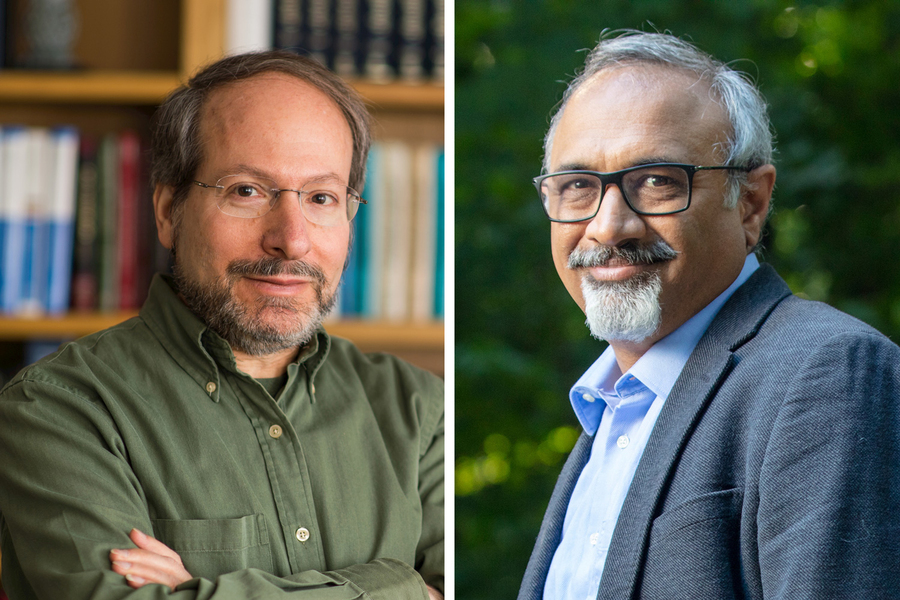
“We know that the world will be different post-Covid — generally, and in higher education in particular. The pandemic has required us to reassess how we teach, how we learn, how we work, what we research, and how we fund it all.” – MIT’s Sanjay Sarma

As people age, they often lose their motivation to learn new things or engage in everyday activities. MIT’s neuroscientists have now identified a brain circuit that is critical for maintaining this kind of motivation.
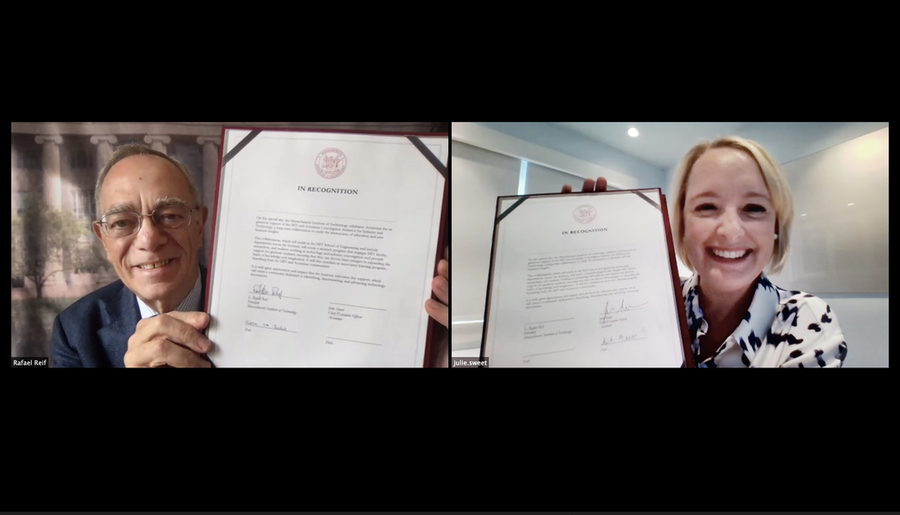
Through a five year collaboration, MIT and Accenture will establish multiple learning programs including a digital learning program bringing learnings to the broader Accenture community and leveraging MIT’s most innovative digital learning methodologies.
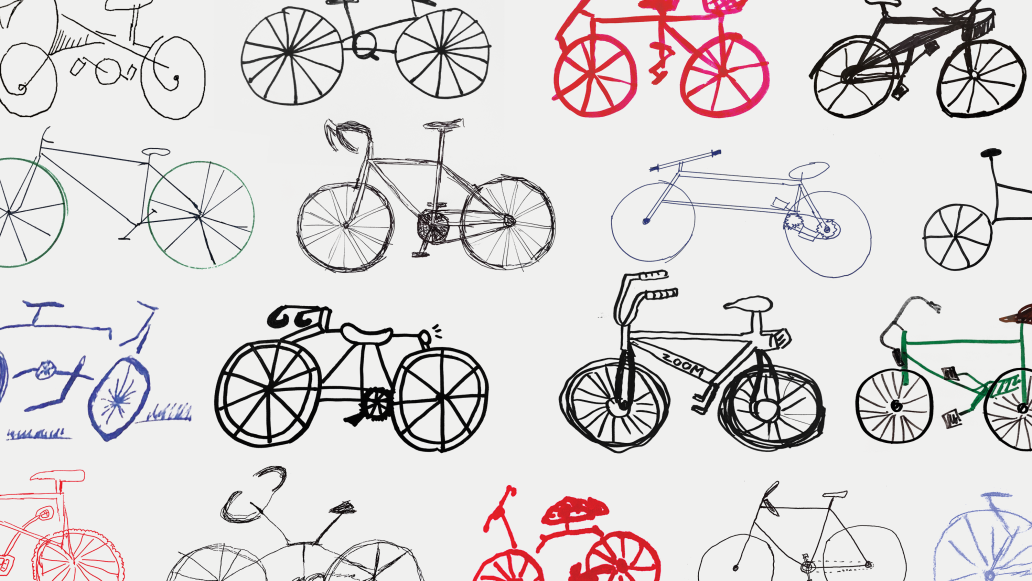
One of the world's biggest science experiments shows knowledge depends as much on trust and relationships as it does on textbooks and observations.
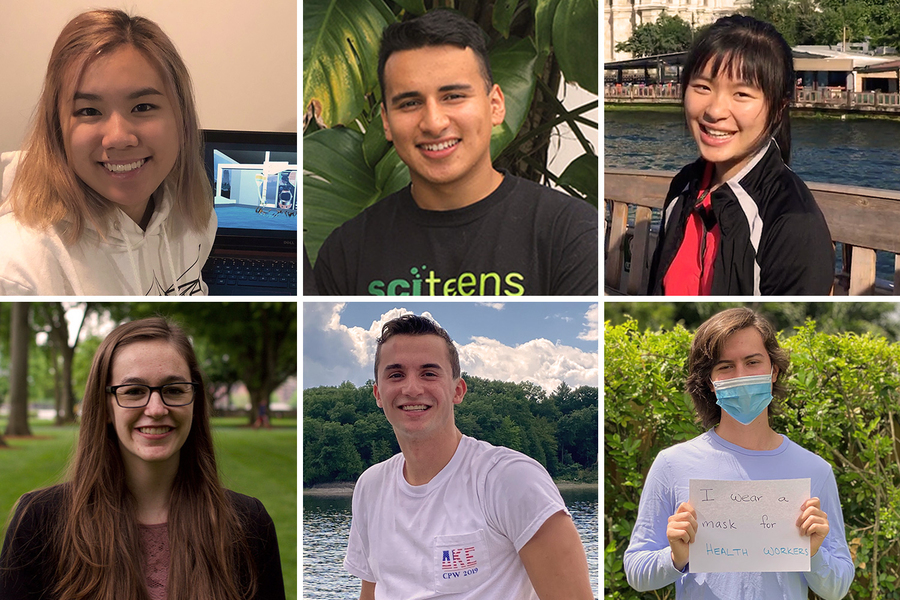
Despite the disruption caused by the pandemic, MIT students have carved out meaningful hands-on experiences.

Three new research briefs from the MIT task force explore the fragmented U.S. workforce training system for low- to moderate-skilled workers.
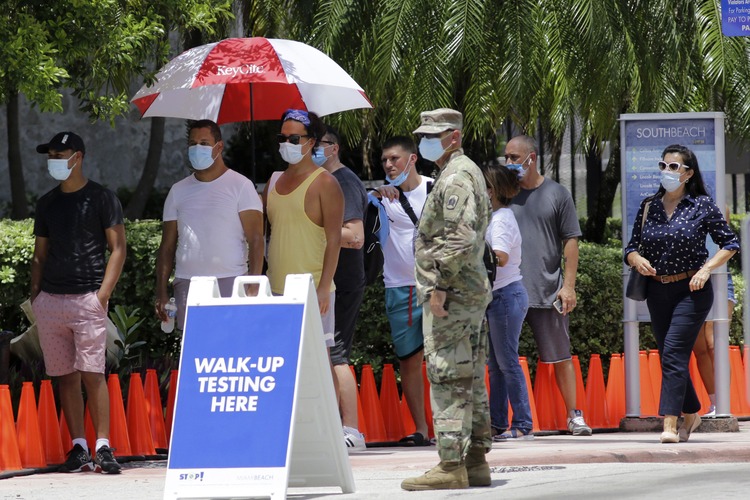
“The experience has motivated me to make the most out of my opportunities at MIT and to think carefully about how to apply what I’m learning to contribute to these types of solutions, because I realized creating these solutions is a lot harder than I once thought.” - MIT Student So Hee Ahn.
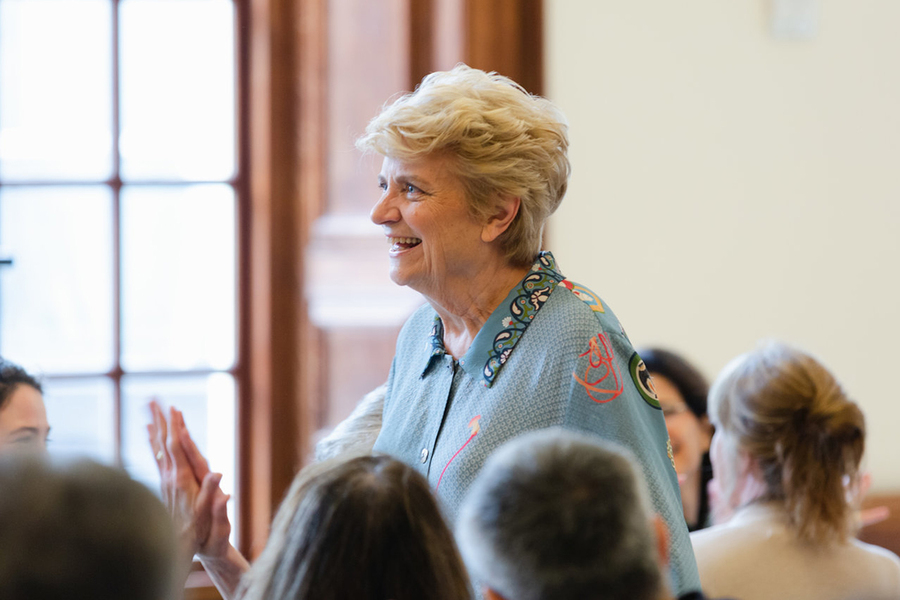
"We’re pretty good at fixing things we can measure. But not at retraining our own unconscious biases: preference for working with people who look just like us; and unexamined, biased assumptions about people different from us."
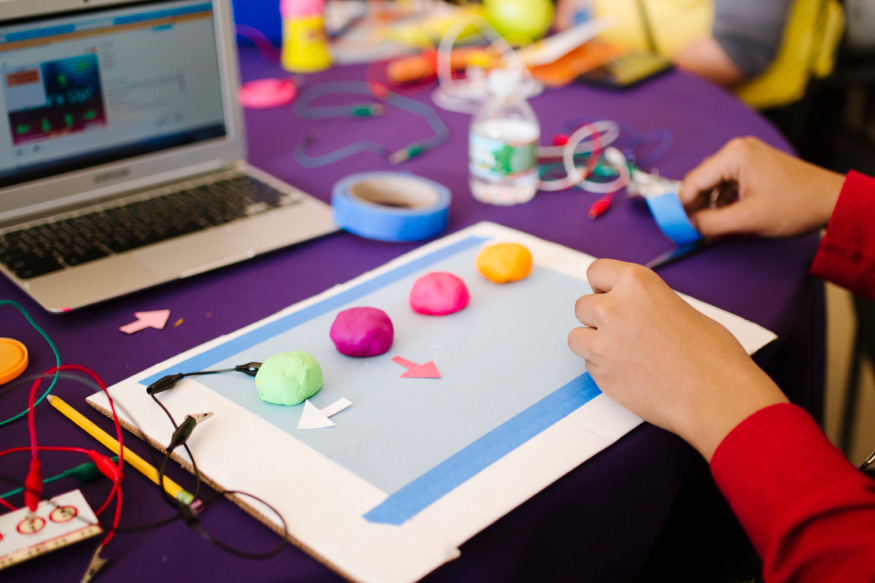
MIT Full STEAM Ahead believes “hands-on remote learning” may become the great new frontier for delivering quality K-12 online learning at scale.